
TL;DR
Choosing between reflexology and massage depends on whether you need mental restoration or physical muscle relief. Reflexology is a fully clothed therapy that focuses on specific pressure points on the feet and face to balance the nervous system and reduce deep-seated stress. In contrast, massage therapy involves direct manipulation of muscles and soft tissues to release physical knots, improve circulation, and ease postural aches. While reflexology is often the preferred “reset” for sleep and anxiety, massage is the go-to for localised pain in the back, neck, and shoulders.
If you’re feeling stressed, stiff through the shoulders, struggling to sleep, or just generally worn out, you might be wondering: Should I book reflexology or massage? It’s a common question for those in West Sussex searching for “reflexology near me” or “massage in Haywards Heath” who aren’t quite sure which therapy aligns with their wellness goals. While both are hands-on and deeply relaxing, they interact with the body’s systems in unique ways.
This article, based on our clinical experience at Borde Hill, walks through the essentials to help you choose the right path for your well-being.
Important Note: This article is for general information only and is not a substitute for medical advice from your GP, midwife, or healthcare professional.
What Is Reflexology?
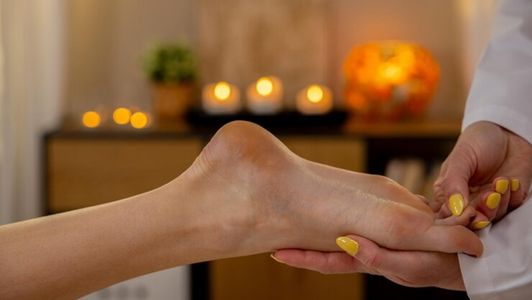
Reflexology is a sophisticated complementary therapy based on the principle that specific “reflex” points on the feet, hands, and face correspond to different organs and systems of the body.
At the Clinic at Borde Hill, our reflexology sessions focus on the parasympathetic nervous system, the part of your body responsible for “rest and digest.” By applying precise thumb and finger pressure to these maps, we aim to trigger a relaxation response that supports the body’s natural rebalancing.
What to expect:
- Non-invasive: You stay fully clothed, removing only shoes and socks.
- Versatile: We offer Foot Reflexology, Hot Stone Reflexology, and Facial Reflexology.
- Focused: Ideal for those who prefer not to have a full-body treatment but want deep, systemic relaxation.
What Is Massage Therapy?
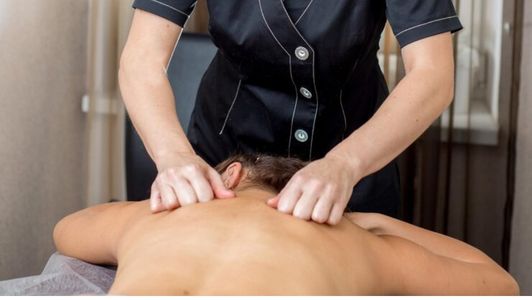
While reflexology uses “maps,” massage therapy works directly with the anatomy of muscles, tendons, and soft tissues. It utilises techniques like effleurage (long strokes), kneading, and stretching to physically release tension.
In our West Sussex clinic, we provide several modalities depending on your physical needs:
- Holistic Massage: For overall stress reduction.
- Indian Head Massage: Targeting the upper back, scalp, and face.
- Sports & Remedial Massage: Focused on soft tissue recovery and postural tightness.
- Pregnancy Massage: Specifically adapted for comfort and safety during all trimesters.
Reflexology vs Massage: At a Glance
This table highlights the technical differences to help you decide which tactile experience your body currently needs:
| Aspect | Reflexology | Massage Therapy |
|---|---|---|
| Primary Focus | Specific reflex points (feet/face) | Muscles, joints, and soft tissues |
| Anatomical Target | Nervous system & energy pathways | Circulatory & Musculoskeletal Systems |
| Clothing | Fully clothed (shoes/socks off) | Partial undress (with professional draping) |
| Experience | Grounding, subtle, and restorative | Physical, releasing, and invigorating |
| Common Goal | Stress, sleep, and internal balance | Tension, pain relief, and flexibility |
Meet the Practitioner: Paula Minto
To ensure the highest level of care, reflexology at the Clinic at Borde Hill is led by Paula Minto. With her extensive background in therapeutic touch, Paula specialises in helping clients navigate stress and hormonal balance through expert reflexology.
By choosing a practitioner with Paula’s specific expertise, you aren’t just getting a “foot rub”, you are receiving a clinical complementary therapy tailored to your health history.
How to Choose the Right Treatment for You
Choose Reflexology if:
- You feel “wired but tired”: It is exceptionally grounding for those with high mental stress.
- You prefer boundaries: If you feel uncomfortable with the undressing required for a full-body massage, reflexology offers a safe, clothed alternative.
- You have specific sensitivities: It’s a brilliant “reset” for people working in high-pressure roles in Haywards Heath, Lindfield, or Burgess Hill who need to switch off quickly.
Choose Massage if:
- You have physical knots: If you spend all day at a desk or driving, your muscles likely need the direct manipulation of a Back, Neck, and Shoulder massage.
- You are recovering from activity: Runners and gym-goers in the Cuckfield and Crawley area often find Sports Massage essential for mobility.
- You want a sensory experience: The flowing strokes of a holistic massage are ideal for “getting out of your head” and back into your body.
Conclusion
Reflexology and massage are different routes toward the same aim: helping you feel more at ease in your body and calmer in your mind. What matters most is that you feel heard and able to choose the pace that feels right for you today.
Are you ready to de-stress?
Book an appointment with Paula Minto or our massage team today to experience Borde Hill’s tranquil surroundings. If you’re still unsure, our team is happy to help you choose the perfect treatment for your goals.
THE CLINIC AT BORDE HILL
Naldred Farm Offices, Borde Hill Lane, Haywards Heath,
West Sussex, RH16 1XR
Email: info@clinicatbordehill.com
Phone: 01444 616797
Frequently Asked Questions
Can I combine reflexology and massage?
Absolutely. Many of our clients at Borde Hill alternate between the two. For example, a Sports Massage one month to handle physical tension, followed by Reflexology the next to support sleep and stress levels.
Is reflexology or massage better for anxiety and stress?
Both are effective, but they work differently. Reflexology is often preferred for anxiety as it focuses on the nervous system and allows the client to remain fully clothed, which can feel more secure. Massage is excellent for stress that manifests as physical tension, such as “shoulder-shrugging” or tension headaches.
Which is better for back pain: reflexology or massage?
Massage therapy is generally better for acute back pain caused by muscle strain or poor posture. However, reflexology can be a powerful complementary tool for chronic back pain by targeting the “spinal reflex” in the feet without directly pressing a sensitive or inflamed back.
Can reflexology help with sleep better than massage?
Many clients find reflexology specifically effective for insomnia. Because it stimulates nearly 15,000 nerves in the feet, it can trigger a stronger “sedative” effect on the brain than traditional muscle work, helping you fall asleep faster after a session.